Oops! We could not locate your form.
edisc, e disc, disc questions, work behaviour assessment
Understanding the Four DISC Personality Types
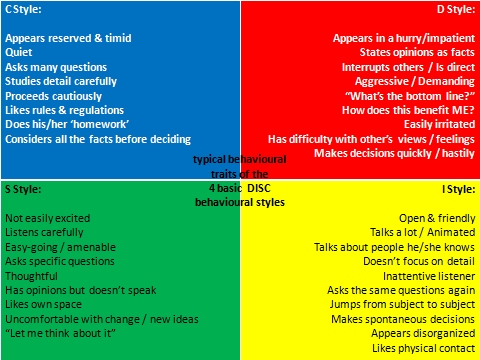
The DISC assessment categorizes individuals into four distinct personality types: Dominance, Influence, Steadiness, and Conscientiousness. Each type represents different behavioral traits and preferences, helping teams to identify how individuals typically respond to various work situations.
For example, individuals with a Dominance type are often assertive and results-oriented, while those with an Influence type tend to be sociable and persuasive. Understanding these types can aid organizations in tailoring communication and team dynamics to leverage the unique strengths of each personality, ultimately fostering a more cohesive work environment.
Implementing DISC Insights in Team Development
Once organizations have gathered insights from the DISC assessments, the next step is implementing these findings into team development strategies. This involves creating personalized development plans that align with the strengths and weaknesses identified through the assessments.
For instance, if a team member is identified as high in Steadiness, they may benefit from roles that require patience and collaboration. By aligning tasks with individual strengths, organizations can enhance productivity and employee satisfaction, making the most of the insights gained from the DISC assessments.
Common Misconceptions About DISC Assessments
There are several misconceptions surrounding DISC assessments that can lead to misunderstandings about their purpose and effectiveness. One common myth is that these assessments label individuals, limiting their potential in the workplace.
In reality, DISC assessments are designed to provide insights into behavioral preferences, not to define a person's abilities or potential. By understanding that these assessments are tools for growth and development, organizations can foster a culture of continuous improvement and open communication among team members.
Success Stories: Organizations Transforming Workplace Culture with eDISC
Many organizations have successfully transformed their workplace culture by integrating eDISC assessments into their team-building strategies. These success stories illustrate how understanding behavioral dynamics can lead to improved collaboration and reduced conflicts.
For example, a tech company reported a significant increase in project completion rates after utilizing DISC assessments to realign team roles based on personality strengths. Such case studies highlight the tangible benefits of implementing eDISC solutions, showcasing how they can lead to a more engaged and productive workforce.

eDISC: 10-Minute DISC Workplace Behaviour Analysis in 70+ Languages