
DISC Profiles Australia: Comprehensive Guide to DISC Assessments, Training, and Accreditation
DISC is a behavioural profiling system that maps observable workplace preferences across four styles—Dominance, Influence, Steadiness and Conscientiousness—and explains how people are most likely to communicate, make decisions and respond to pressure. This guide explains how DISC assessment practitioners and HR teams use validated psychometric methods to translate behavioural data into actionable talent-management decisions. Readers will learn what DISC measures, how assessments are administered and interpreted, which profile types suit leadership, sales and teams, plus how training and accreditation support practical implementation. The article also outlines use cases for recruitment and wellbeing, ethical validation notes, and pragmatic steps to become a certified practitioner in Australia. By the end, you will have a clear DISC implementation map for assessment selection, training options, accreditation pathways, and measurable outcomes that HR professionals and L&D leaders can apply directly.
What is DISC Profiling and How Does It Work in Australia?
DISC profiling is a behavioural assessment method that identifies an individual’s dominant tendencies across four base styles and links those tendencies to workplace behaviours and role fit. The mechanism uses self-report responses to map a person’s position on a D-I-S-C model, producing a profile, a behavioural style chart, and a report that together reveal strengths and potential blind spots. In Australian workplaces, organisations use DISC to improve communication and team performance, match people to roles that align with natural tendencies, and inform development plans for leadership and teams. Current research and practitioner guidance emphasise that validated instruments and trained interpretation maximise usefulness while protecting measurement integrity and fairness.
What Are the Four DISC Behavioural Styles?
The DISC model describes four primary behavioural styles:
- Dominance, Influence, Steadiness and Conscientiousness, each linked to distinct workplace behaviours and typical strengths. Dominance (D) drives results, asserts control, and prefers fast-paced decision-making; strengths include decisive action; blind spots include limited patience for detail.
- Influence (I) builds rapport, energises teams, and persuades; strengths include relationship-building, and blind spots include inconsistent follow-through.
- Steadiness (S) values stability, collaboration, and predictable routines; its strength is reliability; its blind spot is resistance to rapid change.
- Conscientiousness (C) focuses on accuracy, standards, and process; strengths are quality and governance; blind spot is slower decision cycles when speed is needed.
How Are DISC Assessments Conducted and Interpreted?
DISC assessments are most commonly administered online as brief self-report questionnaires that score responses to produce a behavioural style chart and interpretive report. Reports typically include a summary profile, detailed descriptions of workplace strengths, interaction strategies, development suggestions and role-fit notes that HR can use in selection or learning and development. Care needs to be taken when choosing DISC products, as quality varies across products. Not all DISC products are suitable for creer or HR decisions.
Scoring algorithms map responses to a D-I-S-C model and output elements such as a profile summary and a behavioural style chart. Report content depends on the DISC product used. Higher-quality reports can be used for team mapping and leadership coaching, and they can provide customised job-fit reports. Debriefing by a trained practitioner who can translate psychometric output into development interventions is advised.
For Australian organisations seeking validated tools and targeted training, evidence-based providers offer standard and specialised DISC profiles, as well as practitioner education, to ensure the quality of interpretation and ethical use. This linkage between assessment and applied training helps organisations translate profile insights into measurable workplace improvements, as discussed further in the assessment and accreditation sections.

Which DISC Assessments Are Available in Australia?
eDISC offers a range of DISC assessments designed for individual, leadership, sales, team and custom needs, each producing different report outputs and audiences. Individual DISC profiles focus on personal strengths, communication tips, and personal development; leadership reports emphasise decision styles, influence strategies, and strategic thinking; sales profiles map persuasive tendencies and buyer-alignment skills; team reports show comparative style charts and interaction guidance; custom assessments map DISC outputs to role competencies and organisational frameworks. Choosing the right assessment depends on user requirements—recruitment, leadership development, sales optimisation, or systemic team interventions—and on whether the organisation needs validated, localised reports.
Introductory comparison of common assessment types:
| Assessment Type | Best For | Typical Outputs |
|---|---|---|
| Individual DISC profile | Personal development and coaching | Summary profile, strengths, development tips |
| Leadership DISC report | Manager development and succession | Leadership style mapping, decision strategies |
| Sales DISC profile | Sales team selection and coaching | Persuasion profile, buyer-fit guidance |
| Team DISC assessment | Team dynamics and workshops | Team map, interaction alerts, collaboration tips |
| Custom DISC assessment | Role-specific selection and competency mapping | Role-fit scores, competency-aligned recommendations |
This table helps HR teams quickly compare assessment types and select the instrument that best aligns with your objectives and target audiences. Selecting a validated assessment with clear report outputs improves the likelihood of adoption and measurable outcomes.
For organisations in Australia that require evidence-based assessments and practitioner training, accredited providers deliver standard and specialised tools, along with training programs, to support accurate interpretation and application. This combination of assessment and training increases the likelihood that insights drive better talent decisions rather than leaving reports unused.
What Types of Individual and Team DISC Profiles Exist?
Individual profiles are designed to help employees and managers understand personal work preferences, typical communication patterns and development priorities, producing a concise profile summary and suggested action items. Team DISC reports aggregate individual profiles to create a team behavioural chart that highlights interaction hotspots, complementary strengths, and potential friction points. These reports can be accompanied by facilitation notes for workshops. Typical outputs to track impact include changes in engagement, role-fit alignment metrics, and pre- and post-workshop surveys that measure improvements in communication. Using both individual and team views enables facilitators to design interventions that operate at personal, interpersonal and systemic levels.
How Can Custom DISC Assessments Meet Australian Workplace Needs?
eDISC can provide custom DISC assessments, adapt standard items, and report narratives to local languages, competency frameworks, or sector-specific requirements, making results more relevant and actionable for specific roles. Customisation can include competency mapping to job descriptions, tailored development suggestions for healthcare or education settings, and integration with organisational performance frameworks. Commissioning custom reports requires collaboration among HR, subject-matter experts, and facilitators to ensure content validity and legal compliance; this process often results in greater stakeholder buy-in and improved applicability. When implemented correctly, customisation converts behavioural insight into targeted interventions that align with industry needs and organisational culture.
How Can DISC Training Enhance Workplace Performance?

DISC training equips managers, HR professionals and facilitators with the skills to interpret profiles, run workshops and embed behavioural insights into people processes and leadership routines. Training formats range from short workshops that introduce DISC concepts to multi-day accreditation programs that certify practitioners to administer and interpret advanced reports. Core learning outcomes include interpreting profile outputs, coaching for behaviour change, designing team interventions and integrating DISC into recruitment and development cycles. Organisations that pair assessments with follow-up training see greater uptake, as frontline managers gain confidence to apply feedback and adjust leadership approaches.
Typical course formats and learning modules are:
- Introductory workshops: Half-day sessions that teach basic style recognition and communication strategies.
- Facilitator courses: Full-day or multi-day programs that train facilitators to run team sessions and interpret team reports.
- Advanced application training: Multi-module programs focusing on leadership coaching, recruitment mapping and bespoke organisational use-cases.
These course formats help organisations scale DISC learning from awareness to practical application, enabling measurable changes in team communication and leader effectiveness. Selecting the right modality depends on audience, time availability and implementation goals; follow-up coaching and practice sessions reinforce learning and ensure behaviour change persists.
What Public and In-House DISC Training Courses Are Offered?
Public DISC training courses are scheduled sessions open to individuals from multiple organisations and are ideal for practitioners seeking foundational competence, while in-house workshops are customised to the company context and accelerate team-level application. Typical course modules include DISC theory and style recognition, report interpretation, facilitation skills, and action planning for behaviour change, with durations ranging from a few hours to multiple days, depending on depth. Target audiences include HR professionals, people leaders, internal coaches, and consultants who need to apply DISC data to selection, onboarding, or leadership development. Organisations often pair public courses for individual certification with in-house follow-up sessions to ensure direct organisational relevance and consistent application.
How Does DISC Training Improve Leadership and Team Communication?
DISC training improves leadership by making behaviour patterns explicit and providing leaders with concrete language and micro-interventions to adjust their approach to different team members. Training modules teach leaders to match communication styles, set clear expectations, and use coaching techniques aligned with an individual’s DISC profile, thereby improving psychological safety and reducing conflict escalation. Teams trained in comparative profile reading gain shared vocabulary to discuss differences, anticipate friction and design complementary task allocations. Leaders who practice DISC-informed micro-interventions—such as adapting feedback framing or pacing—report faster alignment, and organisations can measure improvements through engagement scores, 360 feedback and reduced turnover in targeted cohorts.
What Is the Process and Benefit of DISC Accreditation?
DISC accreditation certifies practitioners to administer assessments, interpret complex report outputs and run sanctioned workshops, delivering assurance of professional standards and measurement integrity. Typical accreditation pathways include pre-course prerequisites, completion of instructor-led modules, supervised practice, and a final assessment or certification exam that verifies competence in interpretation and facilitation. Accredited practitioners gain access to practitioner toolkits, report templates, and ongoing resources that enable them to deliver assessments ethically and consistently, helping organisations scale the reliable use of DISC across recruitment, leadership development, and team interventions. The business value of accreditation includes reduced risk of misinterpretation, stronger ROI from assessment programs, and enhanced credibility when offering coaching or selection services.
| Accreditation Component | Requirement/Duration | Benefit to Practitioner / Business Use |
|---|---|---|
| Entry requirements | Basic literacy in HR/practice background; variable short pre-work | Ensures baseline readiness and relevant context for learning |
| Course modules | Instructor-led modules, practice sessions, supervised reporting (duration varies) | Builds practical interpretation and facilitation skills |
| Certification assessment | Practical evaluation and/or exam | Verifies competence and supports trusted implementation in organisations |
| Ongoing support | Toolkits, refresher sessions, practitioner communities | Maintains standards and supports continuing professional development |
This accreditation structure clarifies what aspiring practitioners must complete and why each component is essential to the consistent, business-ready application of DISC. Organisations benefit when certified staff apply standardised interpretation, reducing legal and ethical risk while improving impact.

How Do You Become a Certified DISC Practitioner?
Becoming a certified DISC practitioner typically involves a short checklist of steps: meet entry expectations, answer the questionnaire to receive your own report and demonstration debrief session, complete self-paced modules, then instructor-led training modules, demonstrate applied interpretation through supervised practice, and pass a final assessment or competency check. Prerequisites vary by provider but commonly require professional experience in HR, coaching or facilitation to ensure participants can translate learning into workplace interventions. The course structure focuses on developing knowledge and best practices for in-depth report interpretation, coaching and workshop facilitation, and may include case-based assessments to test applied skills. Certified practitioners use their credentials to support recruitment, coaching packages, and organisational development initiatives where a consistent, ethical interpretation of DISC data is essential.
What Resources and Support Are Available for Accredited Practitioners?
Accredited practitioners typically receive a practitioner toolkit that includes report templates, facilitation guides, slide decks and client-facing interpretation notes to streamline delivery and maintain quality. Support often includes access to refresher modules, practitioner communities, or supervision sessions that enable continuous learning and case discussion, and help to manage complex interpretations and sector-specific queries. These resources reduce onboarding time for practitioners and allow organisations to scale consistent application across teams and regions. Ongoing professional development options help practitioners stay current with validation studies and best practices for implementation.
How Does DISC Support Talent Management and Workplace Wellbeing?
DISC supports talent management by providing structured behavioural data that can augment recruitment, onboarding, performance conversations and retention strategies, creating measurable pathways from assessment to outcome. When integrated into selection, DISC contributes an evidence-informed layer to competency assessment and role-fit decisions; when used in onboarding, it accelerates manager-employee alignment by clarifying communication preferences. For wellbeing and conflict resolution, DISC provides a framework to recognise stress responses and tailor manager scripts to de-escalate conflict while preserving psychological safety. Metrics to monitor impact include turnover rates in targeted roles, pre- and post-engagement scores, time-to-productivity, and the incidence of conflict-related HR cases.
| Use Case | Process Stage | Expected Outcome / Metric |
|---|---|---|
| Recruitment | Shortlisting and interview probing | Improved role-fit scores and reduced early turnover |
| Onboarding | First 90-day development plans | Faster time-to-productivity and higher early engagement |
| Performance management | Development planning and coaching | Improved competency scores and promotion readiness |
| Retention & wellbeing | Tailored interventions and manager support | Reduced voluntary turnover and improved wellbeing indicators |
This EAV table demonstrates how DISC ties to specific HR processes and the measurable outcomes organisations can track to justify assessment programs. Embedding DISC into lifecycle processes transforms isolated reports into data that informs decisions and delivers ROI.
How Is DISC Used for Recruitment, Onboarding, and Retention?
In recruitment, DISC can be used as one input among validated selection techniques to highlight behavioural fit and generate targeted interview probes that explore likely on-the-job behaviour. Onboarding plans built from DISC profiles help managers set communication rhythms and match early tasks to an individual’s motivational style, speeding u the onboarding process. For retention, DISC-informed development plans identify stretch assignments and coaching approaches that align with employees’ natural drivers, improving engagement and perceived career support. Ethical considerations require that DISC be used for development and fit assessment rather than as a sole pass/fail hiring filter; validation and transparency in the process are essential to maintain fairness.
How Does DISC Improve Workplace Wellbeing and Conflict Resolution?
DISC improves wellbeing by giving managers a shared language to address stress responses and interpersonal friction before escalation, enabling more tailored support and clearer expectations. Conflict resolution frameworks based on DISC encourage reframing issues as differences in behavioural preferences rather than personal failings, reducing blame and creating pathways for negotiated adjustments. Manager scripts informed by DISC focus on adapting tone, pacing, and feedback content to the other person’s style, helping de-escalate high-stress situations. Regular use of DISC as a team tool promotes psychological safety by normalising differences and creating routine mechanisms for constructive conversations about working preferences.
What Are Common Questions About DISC Profiles?
Organisations frequently ask whether DISC assessments are valid, how to integrate them with existing HR systems, and what measurable benefits to expect. Short, practical answers help HR teams make informed decisions. Below are concise, snippet-optimised responses to common queries that HR practitioners search for when evaluating DISC tools and training. These answers address validation, integration, accreditation pathways and expected outcomes while pointing practitioners to steps for ethical implementation.
This list summarises the top benefits with evidence-linked outcomes:
- Improved communication: DISC provides a shared vocabulary that reduces misunderstandings and accelerates team alignment.
- Better role-fit decisions: Behavioural mapping supports selection and placement, lowering early turnover risk.
- Enhanced leadership effectiveness: Leaders adapt approaches to subordinates’ profiles, improving engagement and performance.
- Faster onboarding: Profile-informed onboarding shortens time-to-productivity by tailoring early tasks to where autonomy will drive good outcomes and where support is likely needed.
- Safer conflict resolution: DISC reframes disputes as style differences, supporting constructive remediation.
These benefits translate into measurable metrics—improved engagement scores, reduced early turnover, faster ramp-up times—and help justify investment in assessments plus training. For snippet capture, the next short answers address administration and integration.
What are the Benefits of Using DISC assessments in Workplaces?
DISC assessments deliver several operational benefits tied to measurable productivity outcomes, including clearer communication, faster role alignment, improved leadership interactions and reduced interpersonal conflict. Each benefit links to metrics: communication gains are reflected in 360-degree feedback, and some DISC systems include 360-degree capability within their platforms. eDISC provides 360-degree feedback services. Role alignment reduces early turnover, leadership improvements appear in promotion readiness scores, and conflict reduction lowers HR case rates. Using DISC alongside competency data and performance metrics creates a richer dataset for talent management decision-making. Organisations that track these metrics can demonstrate the return on investment from assessment and training to stakeholders.
Can DISC Assessments Be Integrated Into Existing HR Processes?
Yes, some DISC assessments can integrate with applicant tracking systems, learning management systems, and performance cycles when providers provide standard report formats and secure data export options, enabling smoother workflows and tracking. Practical integration steps include mapping report outputs to role competencies, automating report delivery into LMS modules for onboarding, and linking profile-derived development actions to performance review templates. Data governance and validation considerations require clear policies on who can access reports and how they are used in decisions to comply with privacy and fairness expectations. A simple implementation checklist includes stakeholder alignment, pilot testing, data policy creation, and phased rollout to ensure sustainable adoption.
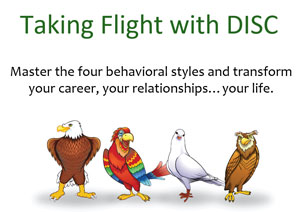
For HR leaders ready to pursue assessments, training or accreditation, eDISC offers accreditation for generic DISC products, our proprietary eDISC and disc-lite, Take Flight with DISC, and Extended DISC.
Frequently Asked Questions
What is the difference between DISC assessments for individuals and teams?
Individual DISC assessments focus on personal strengths, communication styles, and development areas, providing tailored insights for self-knowledge, professional and personal growth. In contrast, team DISC assessments aggregate individual profiles to create a comprehensive view of team dynamics, highlighting interaction patterns, complementary strengths, and potential areas of conflict. This collective insight helps teams collaborate more effectively and leverage diverse styles to improve performance. Both types of assessments serve distinct purposes but are complementary in enhancing workplace effectiveness.
How can DISC assessments be used in performance management?
DISC assessments can significantly enhance performance management by providing insights into individual and team behavioural styles. By understanding employees’ DISC profiles, managers can tailor feedback, set appropriate development goals, and create personalised coaching plans that align with each employee’s natural tendencies. This approach fosters a more supportive environment, encourages open communication, and helps employees feel understood, ultimately leading to improved performance outcomes and higher engagement levels within the organisation.
Are there any ethical considerations when using DISC assessments?
Yes, ethical considerations are crucial when using DISC assessments. Organisations must ensure that assessments are used as tools for development rather than as the sole determinant of hiring or promotion decisions. Transparency in how DISC data is collected, interpreted, shared and applied is essential to maintain fairness and trust. Additionally, practitioners should be trained to interpret results responsibly, ensuring that insights are used to support employee growth and not to label or limit individuals based on their profiles.
What role does training play in the effective use of DISC assessments?
Training is vital for the effective use of DISC assessments, as it equips HR professionals and managers with the skills to interpret results accurately and apply insights in practice. Through training, participants learn how to facilitate discussions around DISC profiles, design interventions based on behavioural insights, and integrate DISC into existing HR processes. This knowledge enhances the impact of DISC assessments, enabling organisations to leverage the data to improve communication, team dynamics, and leadership effectiveness.
How can organisations measure the impact of DISC assessments?
Organisations can measure the impact of DISC assessments using metrics such as employee engagement scores, turnover rates, and performance evaluations. By tracking these indicators before and after implementing DISC assessments, organisations can assess improvements in communication, role fit, and overall team dynamics. Additionally, conducting pre- and post-assessment surveys can provide qualitative insights into changes in workplace culture and employee satisfaction, helping to demonstrate the value of DISC assessments in driving positive organisational outcomes. Some DISC reports can be used for pre- and post-assessments by comparing the person’s adapted style to their natural style over time. Trained practitioners know what they are looking for and can explain this adaptation.
Can DISC assessments be customised for specific industries?
Yes, some DISC assessments can be customised to meet the specific needs of different industries. Customisation may involve adapting assessment language, aligning competencies with industry standards, or tailoring reports to reflect sector-specific challenges and requirements. This ensures that the insights gained from DISC assessments are relevant and actionable in the organisation’s context, enhancing their effectiveness in driving performance and engagement in that industry.
Utilising DISC assessments in Australian workplaces offers significant advantages, including improved communication, better role-fit decisions, and enhanced leadership effectiveness. By integrating these insights into talent management processes, organisations can foster a more engaged and productive workforce. For those looking to elevate their HR practices, exploring accredited training and assessment options is a crucial next step. Discover how our tailored DISC solutions can transform your team’s performance today.
To find out more about how DISC can achieve better performance, productivity and wellbeing at your workplace, contact Sharon at eDISC on 0416 010 701 or email profiles@edisc.com.au

DISC Profiles & Workplace Training in Australia: Comprehensive Guide