Common Misconceptions About DISC Assessments
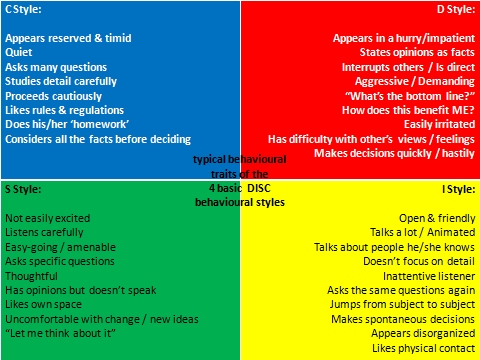
Despite the growing popularity of DISC assessments, several misconceptions persist that can hinder their effective implementation. Many people believe that DISC profiles label individuals and limit their potential, while others think that these assessments are only useful for certain job roles or industries. In reality, DISC assessments are designed to provide insights into behavioral styles, helping individuals understand their strengths and areas for development, regardless of their position.
Addressing these misconceptions is crucial for organizations looking to leverage DISC assessments for team development. For example, organizations can use DISC to foster a culture of self-awareness and adaptability across all levels. By dispelling myths and educating employees about the true purpose of DISC, companies can create a more open environment where team members feel empowered to improve their interpersonal skills and collaboration.
Integrating DISC into Organizational Culture
Integrating DISC into the fabric of an organization's culture requires a strategic approach that goes beyond initial training sessions. It involves creating ongoing opportunities for employees to apply their DISC knowledge in real-world scenarios, fostering an environment where behavioral insights are used to enhance communication and teamwork. This integration can significantly impact employee engagement and organizational performance.
To successfully embed DISC into the organizational culture, leaders should promote regular discussions about behavioral styles during team meetings and performance reviews. Additionally, organizations can develop initiatives such as peer coaching or mentorship programs that encourage employees to share their DISC profiles and insights. By making DISC a part of everyday conversations, organizations can cultivate a culture of understanding and collaboration that drives success.
Measuring the Impact of DISC Assessments
Measuring the impact of DISC assessments is essential for organizations to understand their effectiveness and return on investment. Organizations can track key performance indicators such as employee engagement scores, team collaboration metrics, and overall productivity levels before and after implementing DISC training. This data can provide valuable insights into how well DISC assessments are contributing to a positive workplace culture.
In addition to quantitative measures, qualitative feedback from employees can also be gathered through surveys and focus groups. By asking employees how their understanding of DISC has influenced their work relationships and communication styles, organizations can gain a deeper understanding of the assessments' impact. This comprehensive approach to measurement ensures that organizations can continuously refine their DISC initiatives and maximize their benefits.
Advanced Techniques for Utilizing DISC Assessments
Advanced techniques for utilizing DISC assessments can further enhance their effectiveness in the workplace. These techniques include customizing DISC profiles for specific teams or projects, using role-playing scenarios to practice communication based on DISC insights, and incorporating DISC into leadership development programs. By adopting these advanced strategies, organizations can ensure that DISC assessments are not just a one-time exercise but a continuous tool for growth.
For instance, organizations might organize workshops where employees can simulate real-life situations and receive feedback on their communication styles based on DISC profiles. This hands-on approach not only reinforces the learning but also helps employees see the practical applications of DISC in their daily interactions. By continually evolving their use of DISC assessments, organizations can maintain a dynamic and engaged workforce.